
AIP APS is pleased to present
An initiative designed to collect data on the experience of people living with Primary Immunodeficiencies (PID). The goal is to analyze diagnostic pathways, comorbidities, access to care, and the impact on daily life, in order to identify critical issues and unmet needs.
The results of the survey will help us to:
✔ Collect reliable data on diagnosis, treatment, and comorbidities
✔ Identify barriers to accessing care and potential areas for improvement
✔ Provide valuable insights for clinicians, researchers, and healthcare institutions
📌 Who can participate?
People living with PID and their family members can complete the survey in just a few minutes. The information collected will contribute to improving the understanding and management of PIDs at the national level.
By taking part in the survey, you are helping to enhance care for people with Primary Immunodeficiencies. The responses will be used to gather structured data for clinicians, researchers, and healthcare institutions.
Moreover, the detailed analysis of the collected information will support the development of healthcare and policy interventions, as well as future studies, research, and advocacy strategies. All data will be analyzed in an aggregated and anonymous form.
Are you part of a patient organization for people with PIDs?
Join us in expanding the MAPPA Survey in more countries!
Contact us at comunicazione@aip-it.org
NAVIGATION NOTES
A look at the data collected in Italy
Thank you — to everyone who found the time, energy, and willingness to share their story.
To those who answered with honesty, helping us truly map the needs, experiences, and challenges faced every day by people living with a Primary Immunodeficiency (PID).
Your responses are not just words: they become a concrete tool to guide the Association’s actions, provide valuable insights to clinicians, researchers, and policymakers, and help us – together – improve the quality of life of our community.
Between March 31st and August 31st 2025, we collected 217 responses:
79% from patients
21% from family members or caregivers
The starting point? The diagnosis.
The data reveal a clear picture: there is still a long way to go to ensure timely PID diagnoses.
Only 7% of patients receive a diagnosis before the age of one,
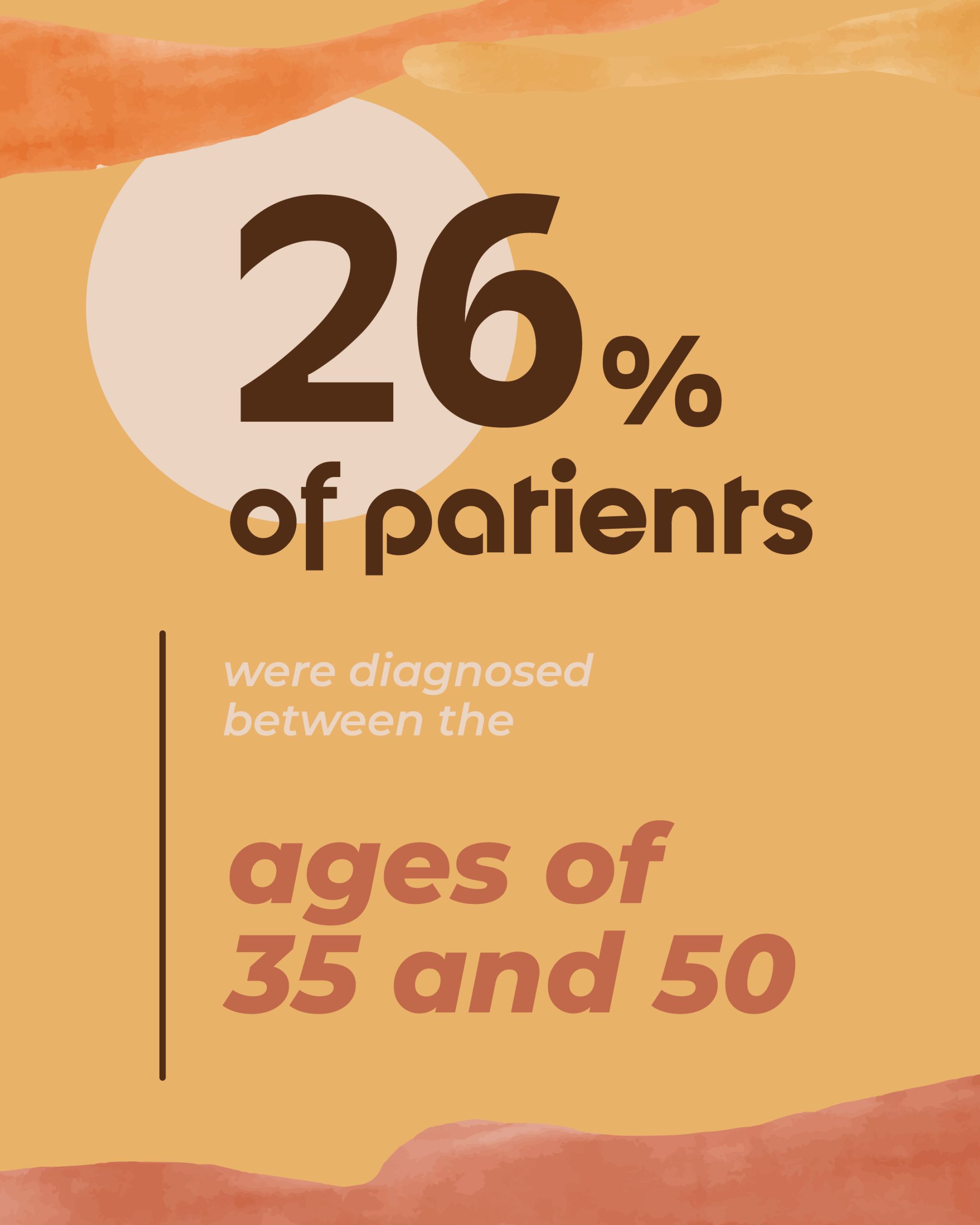
while 26% are diagnosed between 35 and 50 years old.
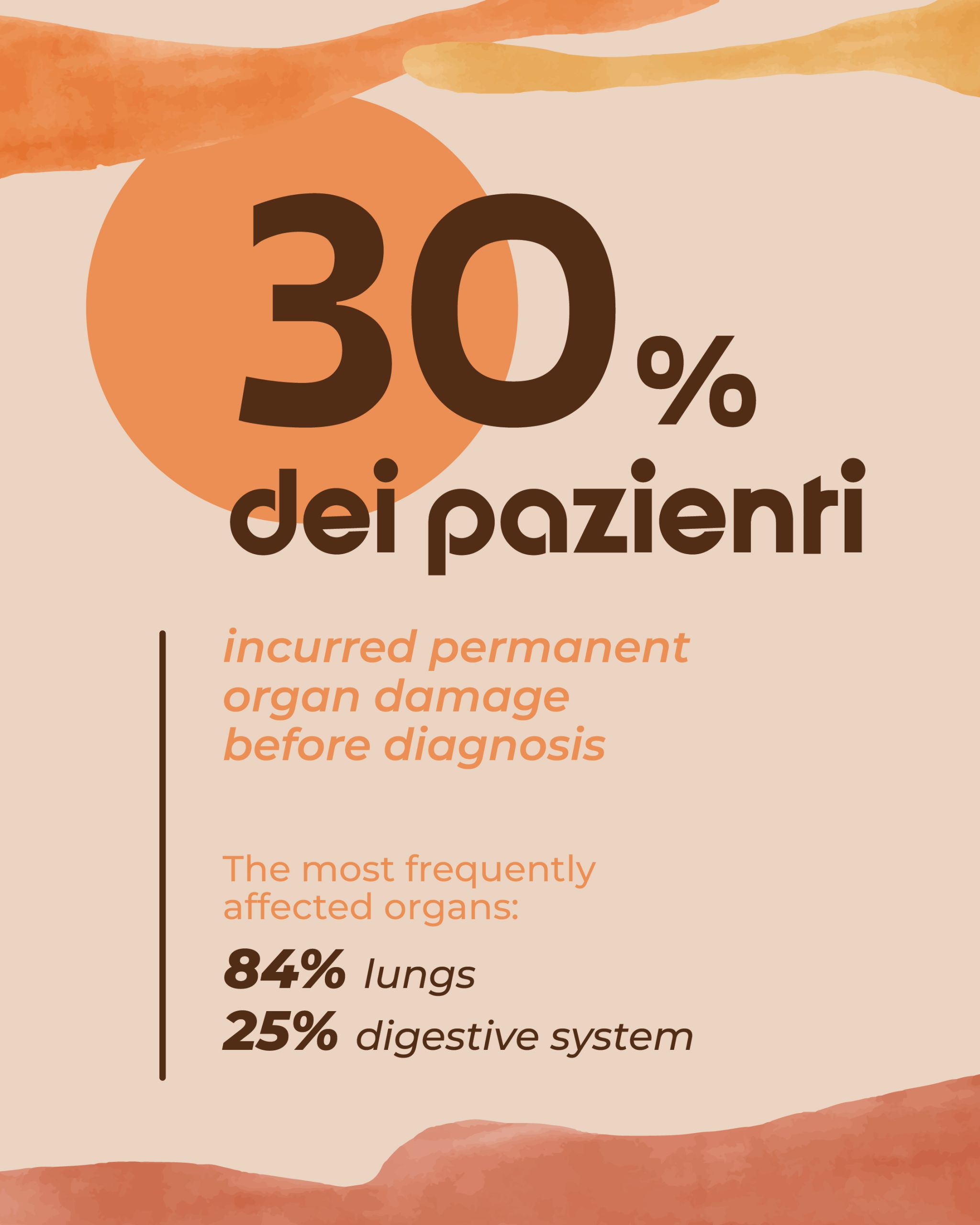
This diagnostic delay often has irreversible consequences. 30% of patients reported permanent organ damage before diagnosis — and in 80% of these cases, the damage affects the lungs.
Newborn screening is a crucial tool for ensuring early access to treatment, yet its implementation across Italy remains uneven: in many regions, it is still absent or poorly structured.
Where does diagnostic suspicion usually arise? In 70% of cases, it begins with frequent or unusual infections. That’s why one of AIP’s key goals is to promote awareness of the 10 warning signs of Primary Immunodeficiencies among pediatricians and general practitioners, so that symptoms can be recognized quickly and precious time is not lost.
Another important finding is the frequent presence of comorbidities accompanying PID diagnoses.
Chronic or recurrent bronchitis affects 43% of patients, followed by inflammatory bowel diseases (28%) and chronic fatigue (25%).
These conditions often intertwine with the primary disease, making both clinical management and daily life more complex — and they are too often overlooked as early warning signs.
Everyday life and emotional impact
We also wanted to listen to how the condition affects daily life, and the responses depict a complex reality — one not only marked by practical limitations but also by a profound emotional impact.
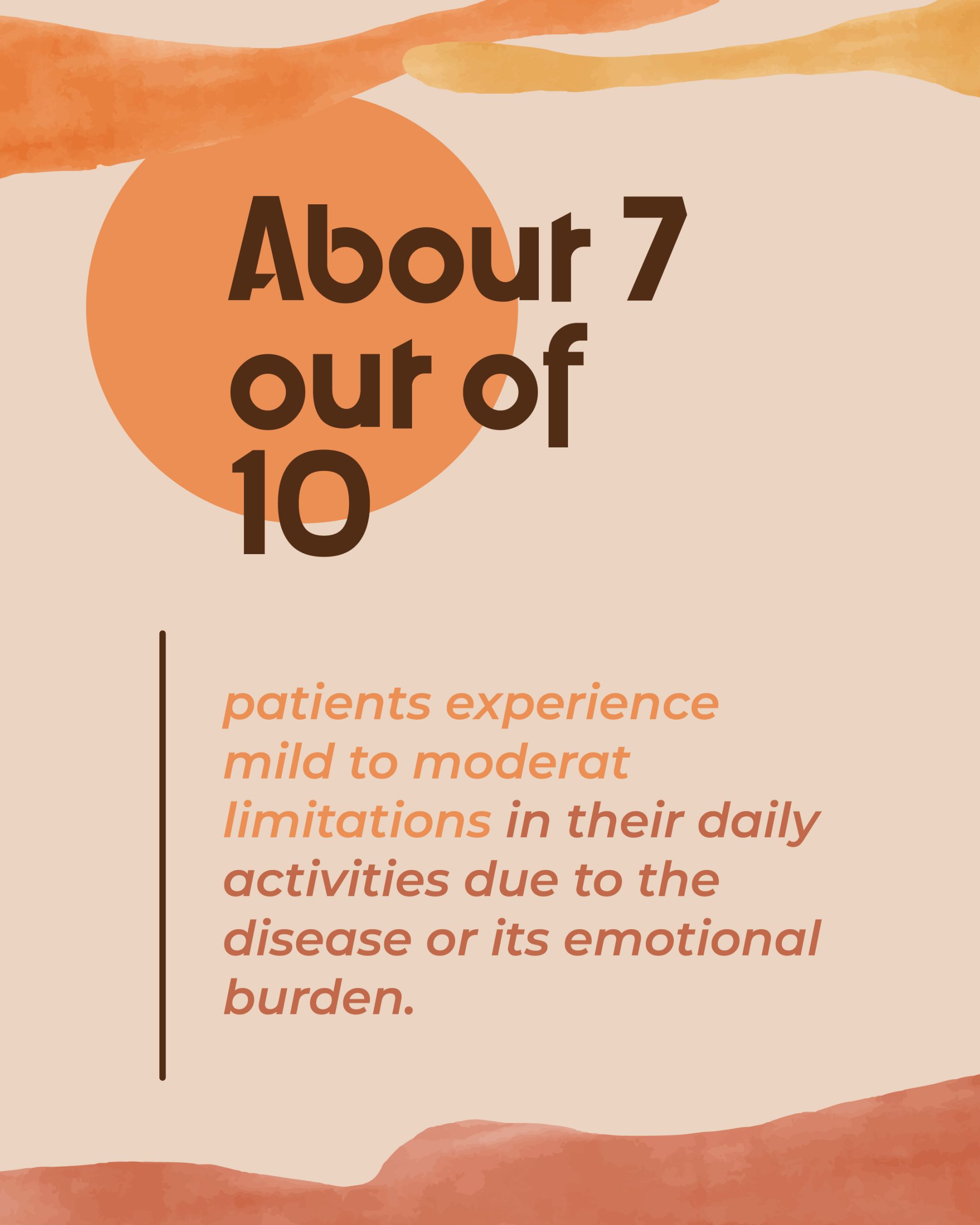
For 7 out of 10 patients, their immunodeficiency affects — slightly or moderately — their everyday choices in work, study, leisure, and social relationships.
But it’s not just about the time spent in medical appointments, undergoing tests or treatments, or the physical fatigue that often comes with it. A rare condition like a PID also carries an invisible weight that is difficult to express: anxiety, stress, discouragement, or even depression — all of which can make daily life more difficult. Sometimes, it is precisely this emotional burden that weighs the most: the feeling of having to give up, of not being able to live with the same freedom or ease as others, of feeling alone even when surrounded by people. And this impact goes beyond the individual — it extends to family life, close relationships, and everyday decisions.
It is in these spaces of fragility that we want to bring listening, recognition, and closeness.
Because no one should feel invisible or misunderstood along their journey.
Are you part of a patient organization for people with PIDs?
Join us in expanding the MAPPA Survey in more countries!
Contact us at comunicazione@aip-it.org
Project developed by

Carried out in collaboration with